GPT-5 Pro helped solve a 3-year-old immunology mystery, offering insights into T cell behavior. The breakthrough could support cancer and autoimmune research.
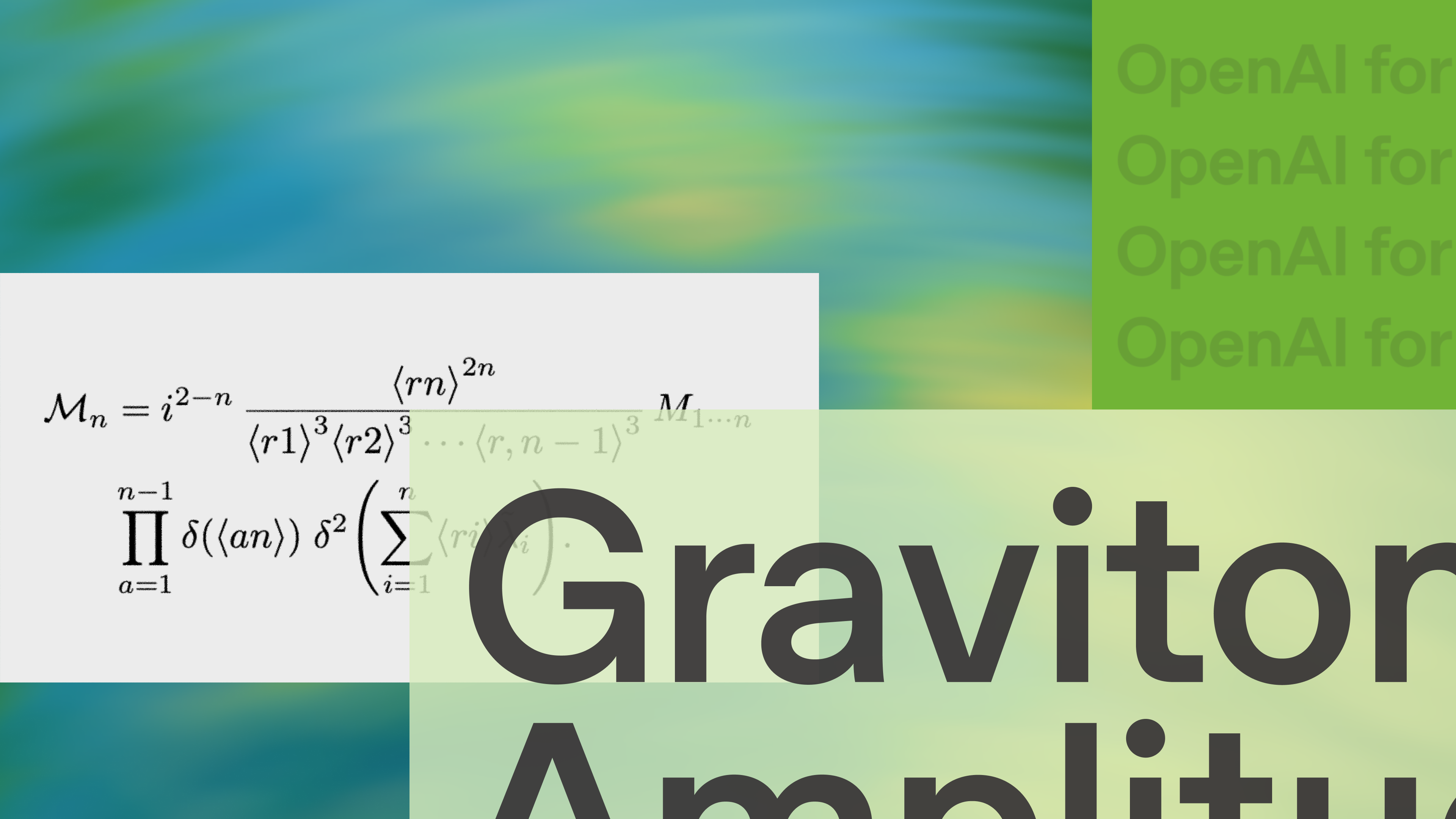
A new preprint extends single-minus amplitudes to gravitons, with GPT-5.2 Pro helping derive and verify nonzero graviton tree amplitudes in quantum gravity.
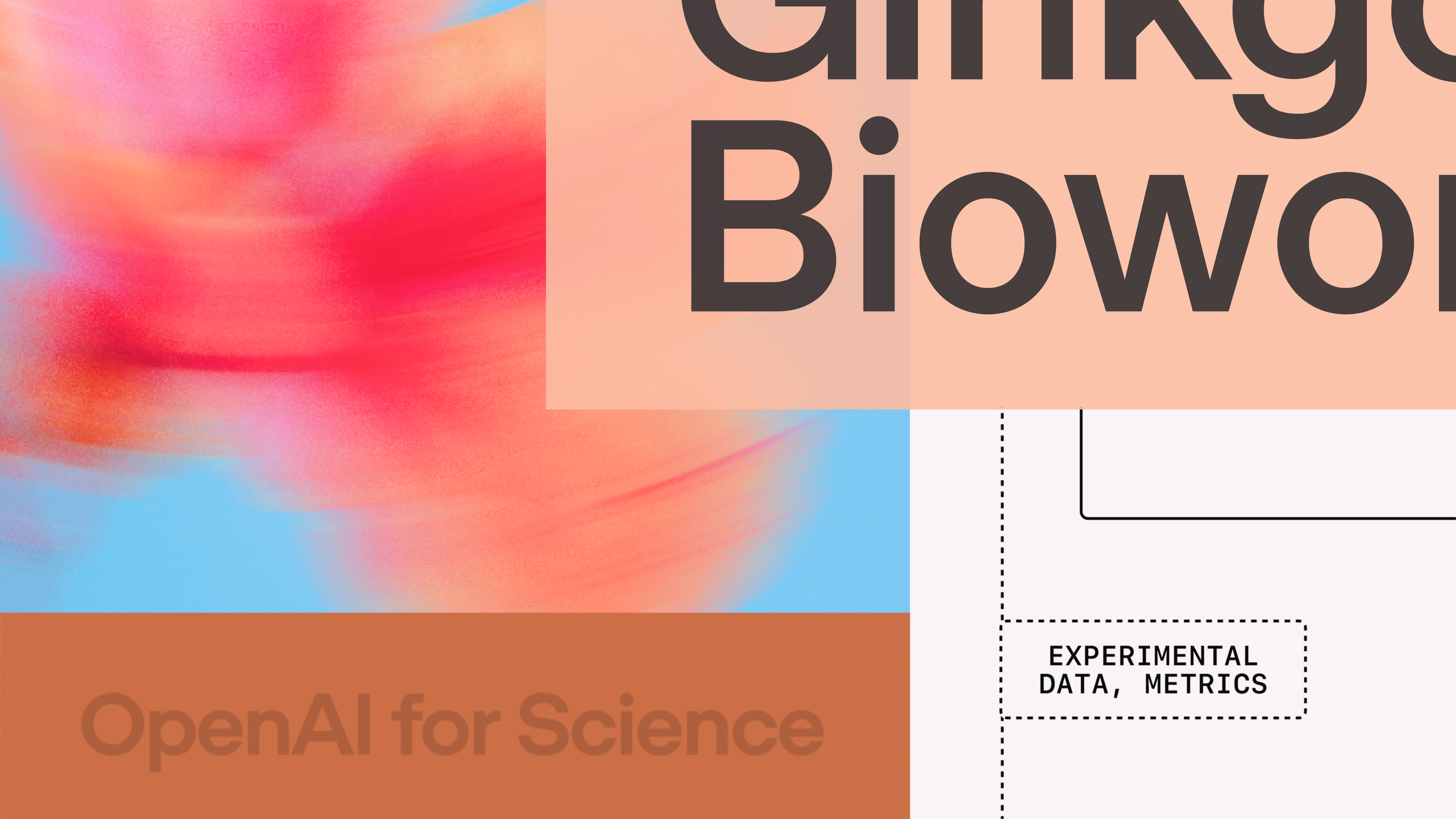
An autonomous lab combining OpenAI’s GPT-5 with Ginkgo Bioworks’ cloud automation cut cell-free protein synthesis costs by 40% through closed-loop experimentation.
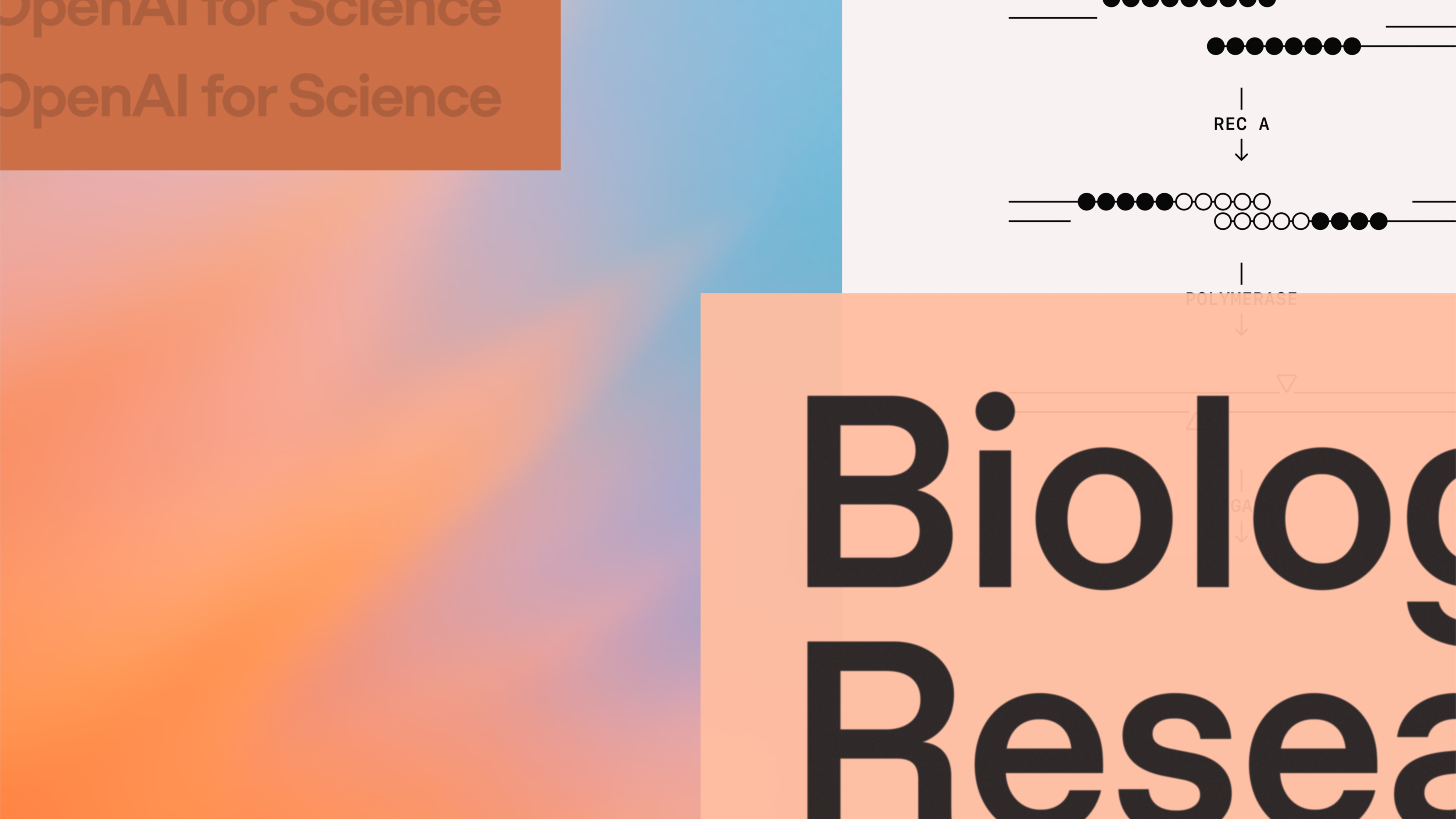
OpenAI introduces a real-world evaluation framework to measure how AI can accelerate biological research in the wet lab. Using GPT-5 to optimize a molecular cloning protocol, the work explores both the promise and risks of AI-assisted experimentation.
GPT-5.2 is OpenAI’s strongest model yet for math and science, setting new state-of-the-art results on benchmarks like GPQA Diamond and FrontierMath. This post shows how those gains translate into real research progress, including solving an open theoretical problem and generating reliable mathematical proofs.
This system card details GPT-5’s improvements in handling sensitive conversations, including new benchmarks for emotional reliance, mental health, and jailbreak resistance.
Learn how OpenAI evaluates political bias in ChatGPT through new real-world testing methods that improve objectivity and reduce bias.
OpenAI introduces GDPval, a new evaluation that measures model performance on real-world economically valuable tasks across 44 occupations.
New research from the largest study of ChatGPT use shows how the tool creates economic value through both personal and professional use. Adoption is broadening beyond early users, closing gaps and making AI a part of everyday life.
OpenAI’s new research explains why language models hallucinate. The findings show how improved evaluations can enhance AI reliability, honesty, and safety.