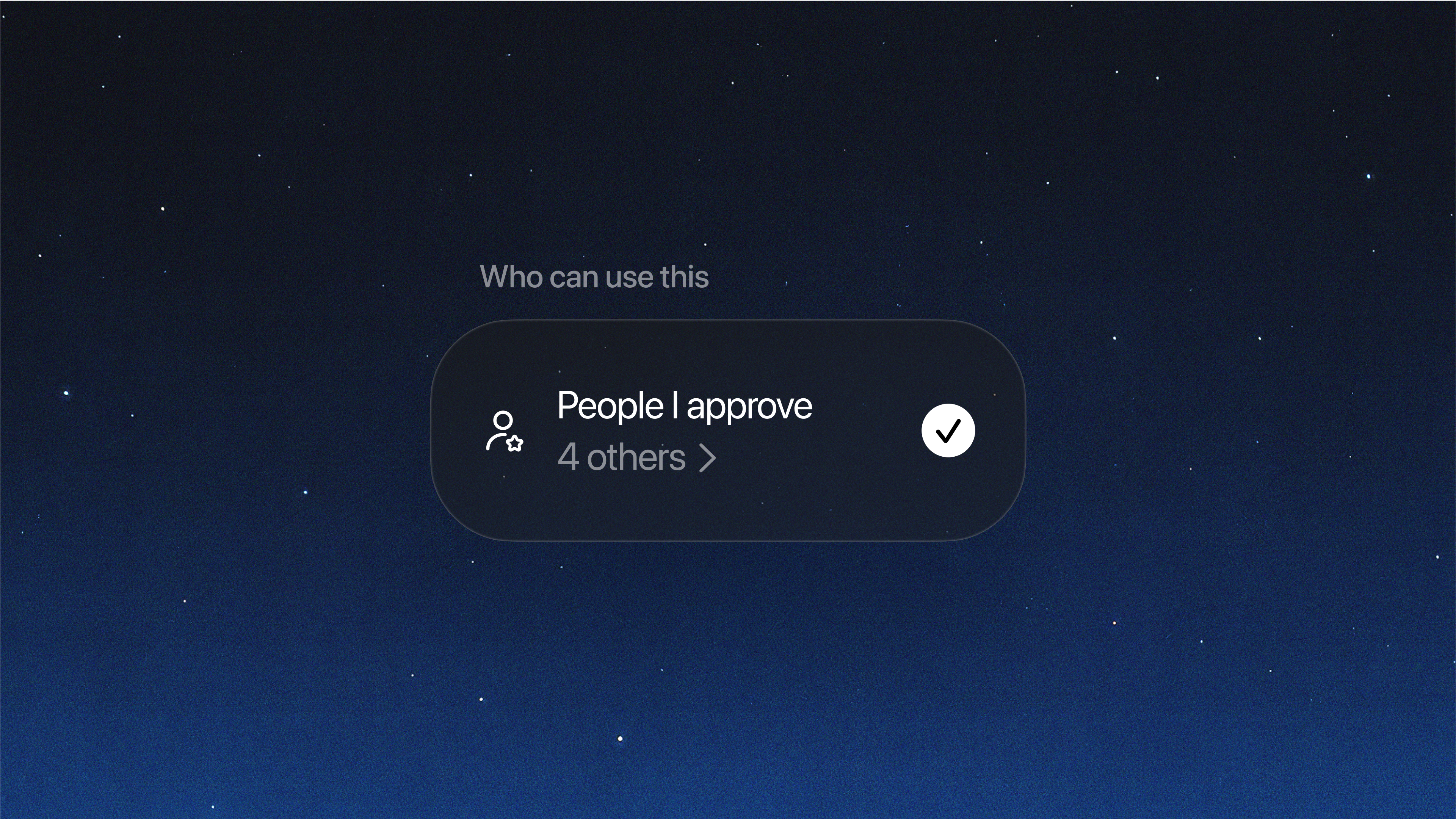
To address the novel safety challenges posed by a state-of-the-art video model as well as a new social creation platform, we’ve built Sora 2 and the Sora app with safety at the foundation. Our approach is anchored in concrete protections.
How OpenAI built a real-time access system combining rate limits, usage tracking, and credits to power continuous access to Sora and Codex.
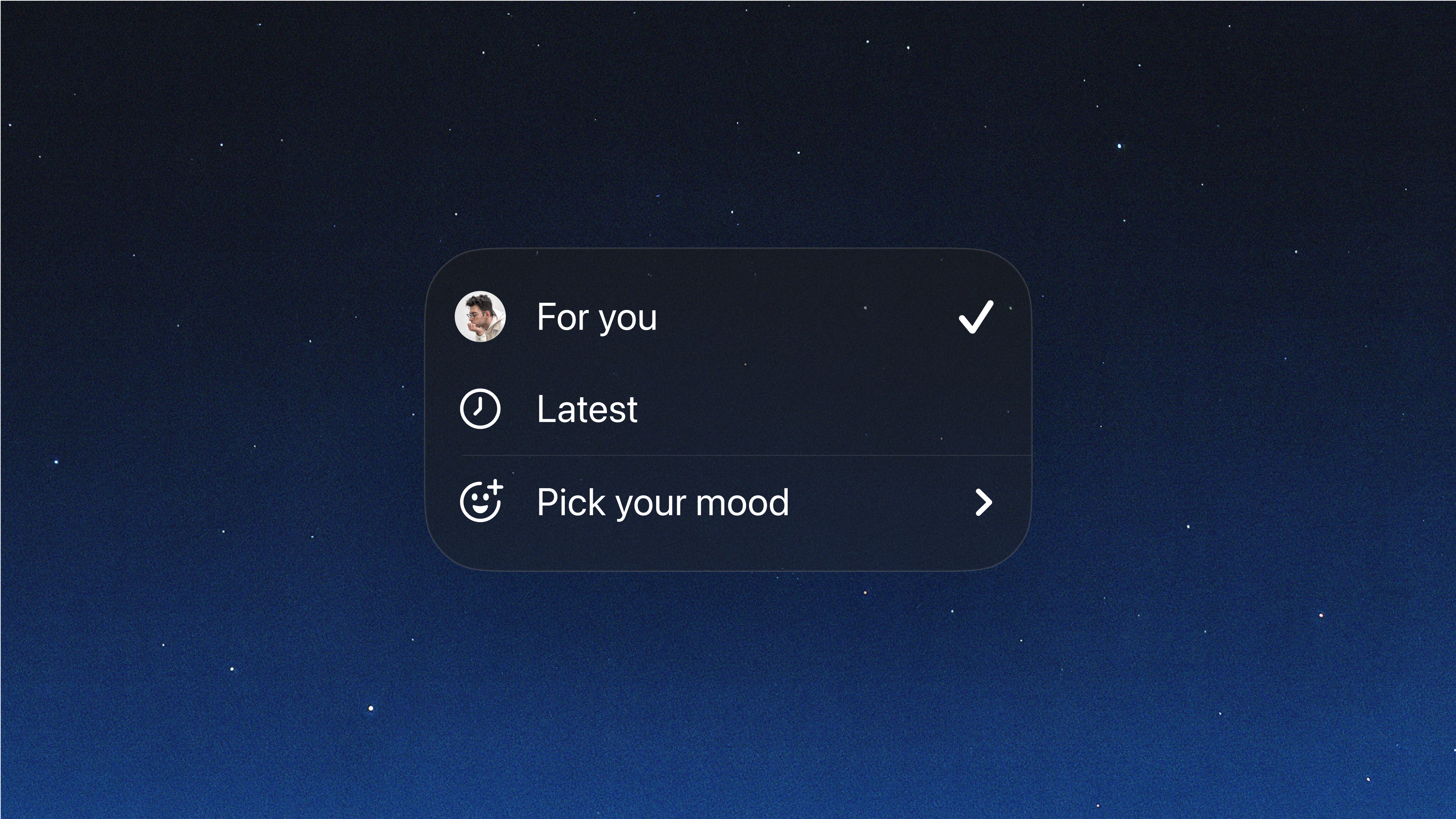
Discover the Sora feed philosophy—built to spark creativity, foster connections, and keep experiences safe with personalized recommendations, parental controls, and strong guardrails.
OpenAI shipped Sora for Android in 28 days using Codex. AI-assisted planning, translation, and parallel coding workflows helped a nimble team deliver rapid, reliable development.
Disney and OpenAI have reached an agreement to bring more than 200 Disney, Marvel, Pixar and Star Wars characters to Sora for fan-inspired short videos. The agreement emphasizes responsible AI in entertainment and includes Disney’s company-wide use of ChatGPT Enterprise and the OpenAI API.
This post introduced Sora 2, a video generation model with synchronized dialogue and sound effects. The Sora product is no longer available.
Our video generation model, Sora, is now available to use at sora.com. Users can generate videos up to 1080p resolution, up to 20 sec long, and in widescreen, vertical or square aspect ratios. You can bring your own assets to extend, remix, and blend, or generate entirely new content from text.
Sora is OpenAI’s video generation model, designed to take text, image, and video inputs and generate a new video as an output. Sora builds on learnings from DALL-E and GPT models, and is designed to give people expanded tools for storytelling and creative expression.
Since we introduced Sora to the world last month, we’ve been working with artists to learn how Sora might aid in their creative process.